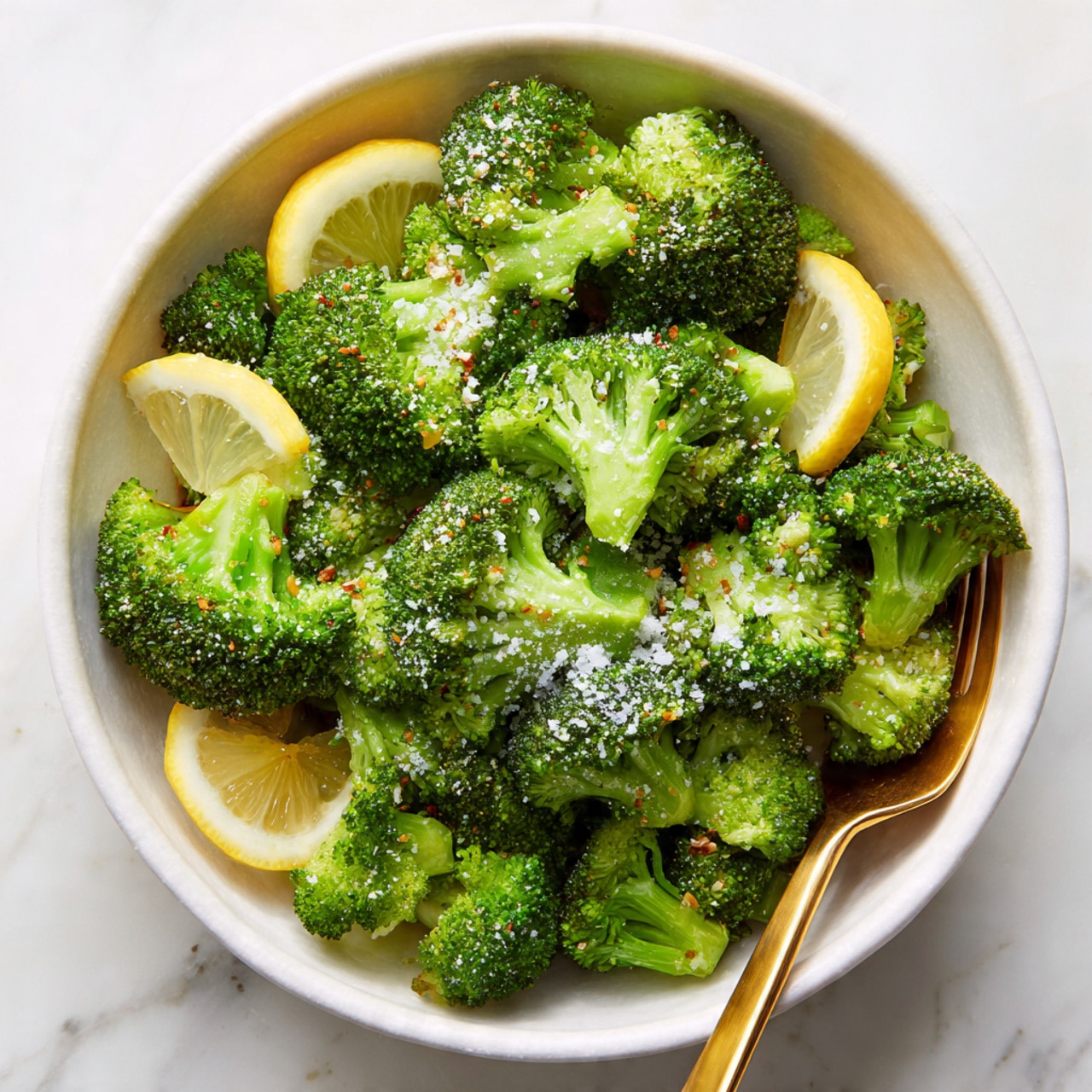
Steaming Broccoli: Unlock Vibrant Color & Essential Nutrients
Learning *how to steam broccoli* properly is a culinary revelation that can transform a simple vegetable into a vibrant, flavorful, and incredibly nutritious side dish. Far too often, this humble cruciferous gem is subjected to prolonged boiling, resulting in sad, waterlogged florets that have lost their visual appeal, pleasant texture, and much of their inherent goodness. This guide will walk you through the secrets to achieving perfectly steamed broccoli every time – crisp-tender, gorgeously green, and bursting with essential vitamins and minerals. It's a fundamental cooking skill that makes healthy eating effortlessly delicious and surprisingly beautiful.
Why Steaming Reigns Supreme for Broccoli
Steaming isn't just another cooking method; it's arguably the *best* method for broccoli, carefully preserving its natural attributes in a way few others can. Its gentle yet efficient heat transfer ensures a superior outcome across several key areas.
Preserving Vibrant Green Color
The vivid green hue of fresh broccoli is a visual indicator of its vitality and health. This color comes from chlorophyll, a water-soluble pigment that is highly vulnerable to degradation when exposed to prolonged heat or submerged in boiling water. Steaming’s abbreviated cook time minimizes this exposure, locking in the vibrant green. Because the broccoli florets are never submerged, their precious chlorophyll remains within the vegetable, rather than leaching out into the cooking water, as often happens with boiling. The result is broccoli that looks as fresh and appealing on your plate as it did before cooking.
Maintaining Crisp-Tender Texture
One of the most common complaints about poorly cooked broccoli is its mushy, soggy texture. Steaming, by contrast, delivers a delightful crisp-tender bite that is difficult to achieve through boiling or even roasting. Since the florets are cooked by circulating hot steam rather than being immersed in water, there's significantly less risk of them becoming water-logged and losing their structural integrity. Quick steaming ensures the broccoli is tender enough to be easily eaten, but still retains a satisfying, slight snap – a textural quality that elevates both simple weeknight meals and more elaborate culinary creations.
Maximizing Nutrient Retention
Broccoli is a powerhouse of nutrition, packed with an array of water-soluble vitamins, notably Vitamin A (in the form of beta-carotene), Vitamin C, and Vitamin K, as well as various B vitamins, folate, and crucial minerals. These delicate nutrients can be significantly diminished or lost when broccoli is boiled, as they leach out into the surrounding water. Steaming minimizes this nutrient loss by using minimal water and a shorter cooking time. The direct contact with steam, rather than water, means more of these valuable compounds stay put within the florets, making your steamed broccoli not just delicious, but optimally nutritious. For maximum nutrient retention, aiming for a steaming time of up to five minutes is often ideal.
Efficiency and Simplicity
Beyond its health and aesthetic benefits, steaming is remarkably practical. Unlike boiling, which often requires a large pot filled with a substantial amount of water and a longer waiting time for it to come to a full boil, steaming needs only a small amount of water (typically an inch or two). Steam transfers heat more efficiently than water, speeding up the cooking process and helping to prevent overcooking. It's a clean, straightforward method that makes broccoli a perfect, reliable workhorse for any meal.
Essential Tools for Perfect Steamed Broccoli
While the technique for *how to steam broccoli* is simple, having the right equipment makes the process even easier and more consistent.
*
Steamer Basket: This is the star of the show. A steamer basket is essentially a perforated barrier, usually made of metal or silicone, designed to fit inside a pot. Its purpose is to elevate your food above boiling water, allowing hot steam to circulate freely around the broccoli florets, ensuring even and gentle cooking. Expandable metal baskets are widely available and fit various pot sizes.
*
Pot with a Lid: You'll need a saucepan or pot large enough to comfortably accommodate your steamer basket and the broccoli, with a tight-fitting lid. The lid is crucial for trapping the steam, which is what cooks the vegetable.
*
Tongs: Useful for carefully placing broccoli into the hot steamer and removing it when done.
In a pinch, if you don't have a steamer basket: You can improvise! A metal colander that fits snugly inside a larger pot (and ideally doesn't touch the bottom) can serve as a substitute. Just ensure it keeps the broccoli elevated above the water and allows steam to circulate freely. Alternatively, you can use a heat-proof plate or a small, shallow bowl inverted in the pot to elevate your food.
Step-by-Step Guide: How to Steam Broccoli on the Stovetop
Mastering *how to steam broccoli* on the stovetop is a fundamental skill that guarantees delicious results. Follow these steps for vibrant, crisp-tender florets every time.
Selecting and Preparing Your Broccoli
The journey to perfect steamed broccoli begins at the grocery store or farmer's market.
1.
Choose Fresh Broccoli: Look for broccoli heads with tight, compact florets that are deep green in color. The stalks should be firm and sturdy, not limp or rubbery. Avoid any broccoli with yellowing florets, soft spots, or a strong odor, as these are signs of age. Freshness is key to optimal flavor and texture.
2.
Wash Thoroughly: Rinse the entire head of broccoli under cool running water. You can also soak it briefly in a bowl of water with a tablespoon of vinegar to dislodge any small insects or dirt hiding in the florets.
3.
Cut into Uniform Florets: Using a sharp knife, carefully cut the florets away from the main stalk. Aim for pieces that are roughly the same size – about 1 to 1 ½ inches – to ensure they cook evenly. While the stalk is highly nutritious, it's denser and takes longer to cook, so it's best to steam it separately or peel and thinly slice it if you wish to include it with the florets.
The Steaming Process
This is where the magic happens.
1.
Set Up Your Steamer: Pour about 1 inch of water into a large saucepan or pot. Place your steamer basket (or substitute) into the pot, ensuring the bottom of the basket is well above the water level. The broccoli should never touch the water.
2.
Bring Water to a Boil: Cover the pot with its lid and bring the water to a rapid boil over high heat. You should see steam escaping from under the lid.
3.
Add Broccoli: Carefully uncover the pot and arrange the broccoli florets in a single layer in the steamer basket. Avoid overcrowding, as this can hinder steam circulation and lead to uneven cooking.
4.
Reduce Heat and Steam: Replace the lid, reduce the heat to medium-low (or whatever setting maintains a steady, gentle simmer and consistent steam production), and let the broccoli steam.
5.
Timing is Key: Steam for
5 to 6 minutes for crisp-tender results. For maximum nutrient retention, aiming closer to 5 minutes is ideal. The exact time can vary slightly depending on the size of your florets and your desired level of tenderness. To check for doneness, carefully lift the lid and pierce a floret with a fork. It should be tender but still offer a slight resistance – the perfect "al dente" for vegetables.
For a more detailed look at achieving that perfect texture, refer to our article:
How to Steam Broccoli: Stovetop Guide for Perfect Crisp-Tender Bites.
6.
Remove and Serve: Once done, carefully remove the steamer basket from the pot or use tongs to transfer the steamed broccoli to a serving dish.
Finishing Touches
Steamed broccoli is delicious on its own, but a few simple additions can elevate its flavor.
*
Classic Seasoning: Drizzle with a good quality extra virgin olive oil, a pinch of sea salt, and freshly ground black pepper.
*
Brighten it Up: A squeeze of fresh lemon juice adds a wonderful zing.
*
Garlic Infusion: Toss with minced fresh garlic or garlic powder immediately after steaming while the broccoli is still hot.
*
Spicy Kick: A sprinkle of red pepper flakes offers a subtle heat.
*
Herbaceous Notes: Freshly chopped herbs like parsley or chives add freshness.
*
Cheesy Delight: A light dusting of grated Parmesan cheese is always a crowd-pleaser.
Alternative Steaming Methods
While the stovetop method with a steamer basket is gold standard for *how to steam broccoli*, there are other effective ways to achieve similar results, especially when you're short on time or specific equipment.
*
Steaming Without a Steamer Basket: If you don't have a steamer basket, you can still steam broccoli directly in a pot. Add about ½ inch of water to the bottom of a large pot with a tight-fitting lid. Bring the water to a boil, then add the broccoli florets. Cover the pot and steam for 5 to 6 minutes until crisp-tender, just as you would with a steamer basket.
*
Microwave Steaming: For the quickest option, place broccoli florets in a microwave-safe bowl with about �� cup of water. Cover the bowl tightly with a microwave-safe lid or plastic wrap (leaving a small vent). Microwave on high for 2-4 minutes, stirring halfway through, until crisp-tender. Be mindful that microwave cooking can sometimes be less consistent, so check frequently.
For more comprehensive guidance on achieving perfect steamed broccoli using various methods, check out our detailed article:
Steam Broccoli Perfectly: Achieve Vibrant Green & Crisp-Tender.
Troubleshooting Common Steaming Mistakes
Even with a simple process like steaming, a few common pitfalls can lead to less-than-perfect results.
*
Overcooked, Mushy Broccoli: This is the most frequent issue. It's usually a result of steaming for too long, having too much water that submerges the broccoli, or not having a tight-fitting lid, allowing steam to escape and extending cook time unnecessarily.
Solution: Stick to the 5-6 minute guideline, ensure the broccoli isn't touching the water, and keep the lid firmly in place.
*
Under-cooked, Tough Broccoli: If your broccoli is still hard and unpalatable, it likely hasn't steamed long enough.
Solution: Increase the steaming time by 1-2 minutes, checking for doneness more frequently. Ensure your water is at a rolling boil and producing sufficient steam.
*
Dull Color: If your broccoli loses its vibrant green, it's often a sign of overcooking or using a method like boiling where chlorophyll leaches out.
Solution: Again, focus on proper timing and always choose steaming over boiling for best color retention.
Conclusion
Mastering *how to steam broccoli* is a skill that pays dividends in both taste and nutrition. By understanding the simple principles of this gentle cooking method, you can consistently achieve beautiful, crisp-tender, and nutrient-rich broccoli that enhances any meal. Say goodbye to dull, soggy florets and hello to a vibrant, flavorful staple that's quick to prepare and incredibly versatile. Embrace the power of steam and elevate your home cooking, one perfectly green floret at a time.