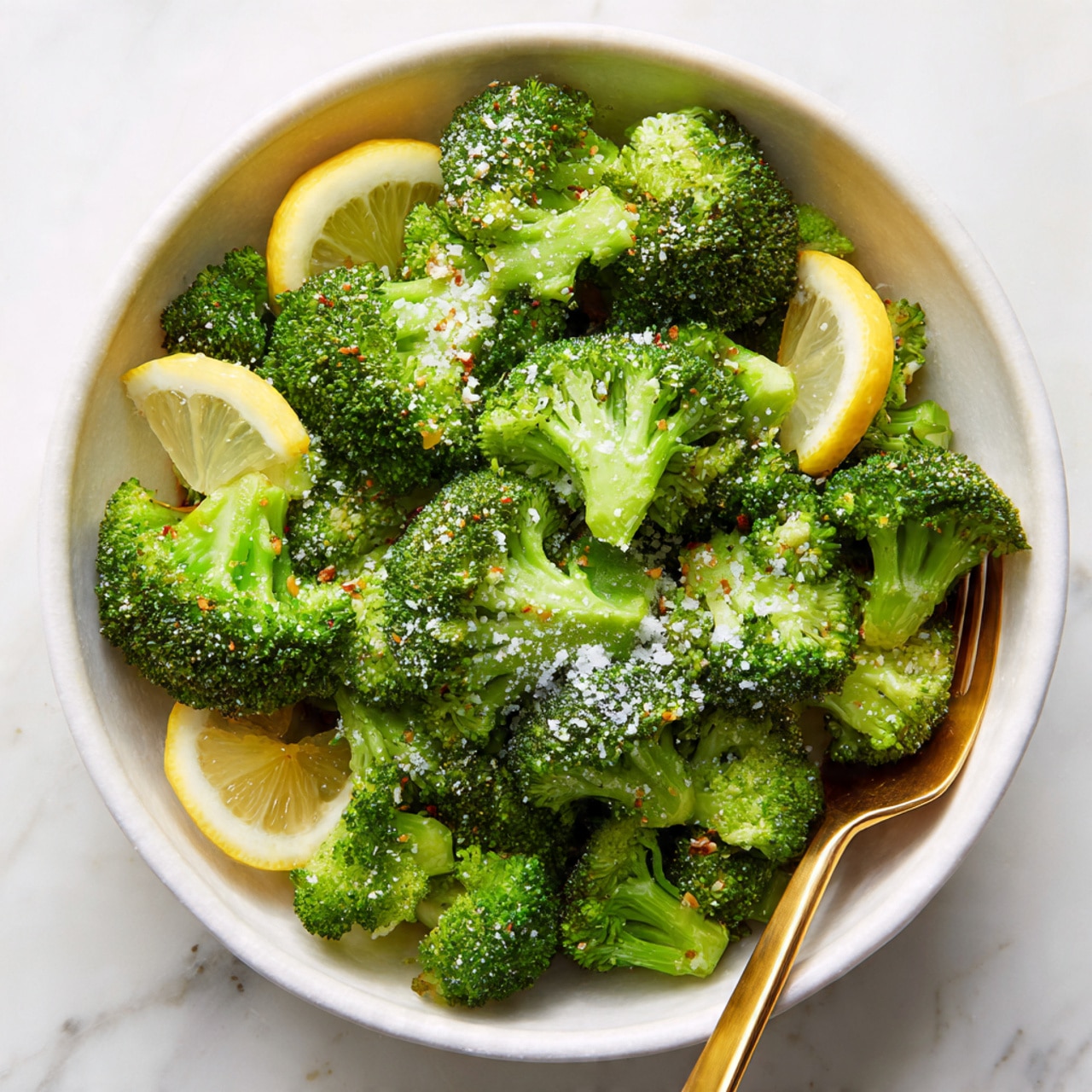
Mastering the Art of Steaming Broccoli: Achieve Vibrant Green & Crisp-Tender Perfection Every Time
Broccoli, that wonderfully versatile and nutrient-dense green powerhouse, deserves to be enjoyed at its absolute best. Yet, for many home cooks, perfectly prepared broccoli remains an elusive ideal. The common pitfalls? Overcooked, mushy florets that have lost their vibrant color and most of their nutritional punch, or undercooked pieces that are unpleasantly tough. Learning how to steam broccoli correctly, however, is a culinary game-changer. It’s a simple technique that transforms this humble vegetable into a bright, flavorful side dish that is as beautiful on the plate as it is beneficial for your health. Forget bland, watery broccoli – this guide will equip you with the knowledge to consistently achieve that coveted crisp-tender texture and brilliant green hue.
Why Steaming is the Superior Method for Broccoli
Among the myriad ways to cook vegetables, steaming stands out as particularly gentle and effective for broccoli. Unlike boiling, which submerges florets in water, steaming uses hot vapor to cook, offering a host of advantages that preserve the vegetable's best qualities.
Preserving Vibrant Green Color and Crisp-Tender Texture
One of the most immediate benefits of steaming is its ability to maintain broccoli's stunning, vivid green color. This is largely due to chlorophyll, the pigment responsible for its signature hue. Chlorophyll is water-soluble and highly susceptible to degradation during prolonged cooking, especially when submerged in boiling water. Steaming’s abbreviated cook time and the fact that the broccoli isn't sitting in water means its chlorophyll stays put, resulting in a brighter, more appealing dish.
Beyond aesthetics, steaming is key to achieving that ideal crisp-tender bite. When broccoli is boiled, there's a higher risk of waterlogging and sogginess, leading to a mushy texture that lacks character. Steaming, by contrast, allows the florets to cook through evenly while retaining a satisfying snap. The quick exposure to heat ensures the broccoli is tender enough to eat comfortably but still offers a delightful firmness – a texture that elevates both simple weeknight meals and more elaborate culinary creations.
Maximizing Nutrient Retention
Broccoli is celebrated for being packed with an impressive array of water-soluble vitamins, including significant amounts of Vitamin A, C, and K, as well as various minerals and antioxidants. These vital nutrients, like chlorophyll, are vulnerable to leaching into cooking water, especially during prolonged boiling. Steaming minimizes this loss by using minimal water and a shorter cooking time. Because the broccoli isn't sitting in water, more of its beneficial compounds remain locked within the florets, making steamed broccoli a powerhouse of nutrition. For maximum nutrient retention and that perfect texture, aim to steam for no more than five minutes.
Gathering Your Tools & Ingredients for Perfect Broccoli
Before you even think about putting heat to pan, a little preparation goes a long way in ensuring your steamed broccoli turns out flawlessly. Starting with the right ingredients and equipment is the foundation of success.
Selecting Fresh Broccoli
The quality of your raw ingredients significantly impacts the final dish. When choosing broccoli at the grocery store or farmer's market, look for heads with:
- Tight, Compact Florets: The individual florets should be tightly packed together, not spread out or blooming.
- Firm Stalks: The stalk should feel sturdy and firm, not rubbery or soft.
- Deep Green Color: A vibrant, dark green color indicates freshness.
- Absence of Yellowing or Wilting: Avoid any broccoli showing signs of yellowing, brown spots, or limp leaves/florets, as these are indicators of age or spoilage.
Fresh broccoli will not only taste better but will also steam more consistently and retain its beautiful color.
Essential Equipment: The Steamer Basket
The key piece of equipment for perfectly steamed broccoli is a steamer basket. This ingenious device is essentially a perforated barrier that keeps your food elevated above boiling water, allowing hot steam to circulate freely around the broccoli. This gentle, indirect cooking method is what preserves nutrients, color, and texture so effectively.
Steamer Basket Alternatives
Don't have a dedicated steamer basket? No problem! You can easily improvise:
- Metal Colander: A metal colander that fits snugly inside one of your pots (without touching the bottom) can work as an excellent substitute. Ensure it's elevated enough to allow plenty of steam to circulate underneath and around the broccoli.
- Foil Balls: For a more DIY approach, you can create three large balls of aluminum foil, place them at the bottom of a pot, pour in water (just below the top of the foil balls), and then place a heat-safe plate on top of the foil balls to hold your broccoli.
Regardless of your chosen method, the goal is consistent elevation and ample steam circulation.
Step-by-Step Guide: How to Steam Broccoli on the Stovetop
Mastering the stovetop method for steaming broccoli is straightforward once you understand the key steps. This method is reliable, efficient, and ensures a consistently excellent outcome. For a more detailed walkthrough of this classic technique, explore our Stovetop Guide for Perfect Crisp-Tender Bites.
1. Prepare Your Broccoli
- Wash and Dry: Rinse the broccoli head thoroughly under cool running water. Pat it dry with a clean kitchen towel or paper towels.
- Trim and Cut: Using a sharp knife, trim off the very end of the tough stalk. Then, separate the florets from the main stalk, aiming for roughly uniform, bite-sized pieces (about 1 to 1.5 inches). Uniformity is crucial for even cooking; larger pieces will require more time, potentially overcooking smaller ones. You can also peel and slice the tender parts of the stalk to steam alongside the florets – they're delicious and nutritious!
2. Set Up Your Steaming Station
- Water in the Pot: Fill a large saucepan or pot with about 1 inch of water. The exact amount isn't critical, but ensure it's enough to generate steam for the cooking duration without boiling dry, and not so much that it touches the bottom of your steamer basket.
- Insert Steamer Basket: Place your steamer basket (or alternative) into the saucepan. Make sure it sits above the water level.
- Bring to a Boil: Cover the pot with a tight-fitting lid and bring the water to a rolling boil over high heat. The lid helps to build up steam quickly.
3. Steam the Broccoli
- Add Broccoli: Once the water is boiling rapidly and steam is vigorously escaping, carefully remove the lid and add the prepared broccoli florets to the steamer basket.
- Cover and Reduce Heat: Immediately replace the lid, reduce the heat to medium-low (or whatever setting maintains a steady, gentle simmer and steam), and let the broccoli steam.
- Timing is Key: Steam for 5 to 6 minutes. The exact time will depend on the size of your florets and your desired doneness. For crisp-tender perfection, 5 minutes is often ideal. If you prefer it slightly softer, go for 6-7 minutes.
4. Check for Doneness & Finish
- Test for Tenderness: After 5 minutes, carefully lift the lid (away from your face to avoid steam burns) and pierce a floret with a fork. It should be easily pierced but still offer a slight resistance – that's crisp-tender. If it's too firm, re-cover and steam for another minute. If it's mushy, it's overcooked.
- Immediate Removal: As soon as the broccoli reaches your desired doneness, remove the steamer basket from the pot or quickly transfer the broccoli to a serving dish. Allowing it to sit in the hot pot or steamer can lead to residual cooking and dulling of its vibrant color. For an extra vibrant finish, you can even plunge the broccoli into an ice bath for a few seconds immediately after steaming, then drain well.
- Season: Drizzle with a good quality olive oil, season generously with salt (sea salt or kosher salt works beautifully), and freshly ground black pepper to taste.
Troubleshooting Common Steaming Mistakes
- Mushy Broccoli: This is almost always due to overcooking. Reduce your steaming time by a minute or two next time. Ensure your heat isn't too high, which can cause faster cooking.
- Dull Green Color: Overcooking or letting the broccoli sit in residual heat for too long after cooking can strip its vibrant color. Remove it from the heat source immediately upon doneness.
- Under-Steamed/Hard Broccoli: If your broccoli is still too firm, it likely needed more time. Ensure your water was at a rolling boil when you added the broccoli and that steam was consistently being produced throughout the cooking process.
Beyond the Stovetop: Other Methods for Steaming Broccoli
While the stovetop with a steamer basket is the gold standard for consistent results, there are other convenient methods to steam broccoli, especially when time or equipment is limited. Understanding these alternatives further enhances your ability to unlock vibrant color & essential nutrients.
Steaming Without a Steamer Basket
As mentioned earlier, if you lack a dedicated steamer basket, you can still achieve great results. Add about 1/2-inch of water to the bottom of a large pot with a tight-fitting lid. Bring the water to a boil, then add your broccoli florets directly into the boiling water, ensuring they're not fully submerged (just enough water to create steam). Cover the pot and steam for 5 to 6 minutes until crisp-tender. While this method carries a slightly higher risk of the broccoli touching the water and losing some nutrients or vibrancy, it's a perfectly viable option in a pinch.
Microwave Steaming for Speed
For the quickest possible steamed broccoli, the microwave is your friend. This method is incredibly fast but requires careful attention to avoid overcooking. Here's how:
- Place your broccoli florets in a microwave-safe bowl.
- Add about ¼ cup of water to the bowl.
- Cover the bowl with a microwave-safe lid or microwave-safe plastic wrap, leaving a small vent for steam to escape.
- Microwave on high for 2 to 4 minutes. Start with 2 minutes, check for doneness, and continue in 30-second intervals until the broccoli is crisp-tender.
While convenient, microwave steaming can sometimes result in slightly less even cooking and a texture that isn't quite as delicate as stovetop steamed broccoli. However, for a super-fast side dish, it's an excellent option.
Elevating Your Steamed Broccoli: Flavor Enhancements & Serving Suggestions
Perfectly steamed broccoli is delicious on its own, but a few simple additions can take it from great to extraordinary. Don't be afraid to experiment!
- Classic Finish: A drizzle of extra virgin olive oil, a sprinkle of flaky sea salt, and freshly cracked black pepper are always a winning combination.
- A Bright Tang: A squeeze of fresh lemon juice or a splash of apple cider vinegar after steaming brightens the flavor and enhances the green color even further.
- Garlicky Goodness: Sauté minced garlic in a tablespoon of olive oil until fragrant, then toss with your steamed broccoli. A pinch of red pepper flakes adds a subtle kick.
- Buttery Richness: A pat of melted butter, perhaps infused with a little garlic powder or dried herbs, offers a comforting, classic flavor.
- Nutty Crunch: Toasted slivered almonds, pine nuts, or sesame seeds sprinkled over the top add a delightful textural contrast.
- Cheesy Indulgence: A dusting of grated Parmesan cheese or nutritional yeast adds a savory, umami punch.
- Herbal Freshness: Freshly chopped herbs like parsley, dill, or chives stirred in just before serving impart a burst of freshness.
Steamed broccoli makes an excellent side dish for almost any meal, from roasted chicken and grilled fish to pasta and grain bowls. It also works beautifully tossed into salads, stir-fries, or even puréed into soups for an extra boost of nutrition.
Conclusion
Mastering how to steam broccoli is a fundamental skill that every home cook should have in their repertoire. It's a testament to the fact that sometimes, the simplest methods yield the most impressive results. By understanding the science behind steaming, choosing fresh ingredients, and paying attention to timing, you can consistently achieve broccoli that is not only perfectly crisp-tender and vibrantly green but also bursting with its natural flavors and essential nutrients. Say goodbye to dull, mushy broccoli, and embrace the joy of perfectly steamed florets – a truly excellent, simple, and flexible addition to any meal.
